
When Should You Replace Your Dental Crowns?
When should you replace your dental crowns? Learn the signs of crown failure, average lifespan, replacement process and when to visit Lotus Smile Dental in Da Nang.
Dental crowns are designed to restore damaged teeth, improve chewing function and enhance the appearance of a smile. With proper care, a well-made crown can remain functional for many years. However, dental crowns are not permanent restorations. Normal chewing, oral hygiene, tooth condition and changes in the surrounding gums can gradually affect their performance.
For this reason, an old dental crown should be monitored regularly. Replacement may become necessary when the crown is damaged, no longer fits properly or when the natural tooth underneath develops a problem.
For patients looking for dental crown replacement in Da Nang, Lotus Smile International Dental provides professional dental examinations and restorative treatment based on each patient's individual condition.
(1).jpg)
The Typical Lifespan of Dental Crowns
A dental crown can often last around 5 to 15 years, although the actual lifespan varies between individuals. Some crowns may continue functioning for longer when they are well maintained and supported by healthy teeth and gums.
Several factors influence the longevity of a crown. These include the quality of the original restoration, crown material, oral hygiene, biting forces, tooth position and personal habits such as teeth grinding or clenching.
Therefore, the age of a crown should be considered together with its current condition. A crown that has been used for more than ten years may still be perfectly functional, while a newer crown may require replacement if significant problems have developed.
>>> Free consultation at: Lotus Smile Dental - Nha Khoa Đà Nẵng
Common Reasons for Dental Crown Replacement
Dental crowns may eventually need to be replaced because of wear, damage or changes affecting the natural tooth.
One of the most common concerns is deterioration around the crown margin. The natural tooth remains vulnerable to decay, particularly when plaque accumulates around areas that are difficult to clean.
Physical damage is another reason for replacement. Crowns can become chipped, cracked or fractured due to excessive biting forces, accidental trauma or long-term wear.
Changes in the gums can also affect the appearance and function of a crown. Persistent gum inflammation around a restoration should be evaluated to determine whether the problem is related to oral hygiene, gum disease or the restoration itself.
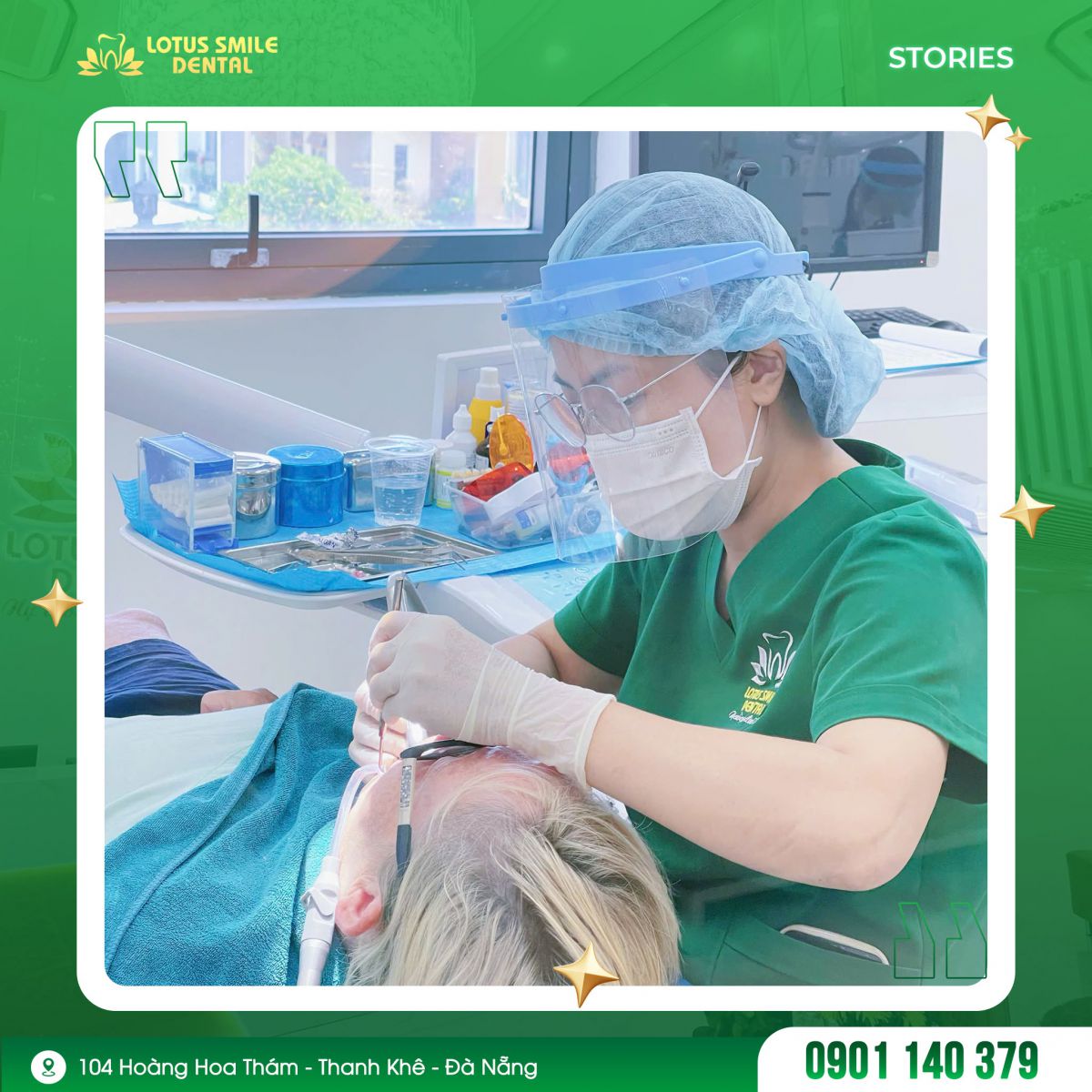
Signs That a Dental Crown May Need Replacement
Cracks, Chips or Fractures
Visible damage to a crown should always be professionally assessed.
A minor chip may sometimes be managed without replacing the entire restoration. However, a significant fracture can affect the strength and protective function of the crown.
Continuing to bite heavily on a severely damaged crown may increase the risk of further damage to both the restoration and the underlying tooth.
A Loose or Moving Crown
A dental crown should remain securely attached to the prepared tooth.
Movement of the crown during eating or biting can indicate a problem with the restoration or the tooth underneath. A loose crown can also create areas where food particles and bacteria accumulate.
Prompt examination can help determine whether the crown can be repaired or needs to be replaced.
Persistent Pain or Sensitivity
Pain or sensitivity around an older crown should not be ignored, particularly when the discomfort continues or becomes worse.
The source may be the natural tooth underneath the crown rather than the crown itself. Problems such as decay, damage to the tooth or inflammation may require treatment before a new restoration is placed.
A proper diagnosis is therefore essential before deciding on crown replacement.
Poor Fit or Food Trapping
A crown should fit closely with the surrounding tooth structure.
If food repeatedly becomes trapped around a crown, cleaning becomes difficult or the bite feels different, the restoration should be examined.
Changes in the fit can occur because of wear, damage or changes in the underlying tooth and surrounding tissues. Replacing the crown may be recommended when the existing restoration can no longer provide an appropriate fit.
Decay Around the Crown
Although dental crown materials do not develop cavities in the same way as natural teeth, the remaining tooth structure can still develop decay.
Decay around the crown margin can weaken the supporting tooth and compromise the long-term stability of the restoration.
In such cases, the dentist may need to remove the existing crown, treat the affected tooth and determine whether a new crown is appropriate.
Inflamed or Bleeding Gums
Healthy gums should not remain consistently swollen, red or bleeding around a crown.
Inflammation may result from plaque buildup, gum disease or an issue with the restoration's shape or margin.
The cause should be identified before replacing the crown. In some cases, improving oral hygiene and treating gum disease may resolve the problem without replacing the restoration.
Significant Wear and Changes in the Bite
Years of chewing can gradually wear down a dental crown. This may become more noticeable in patients who grind or clench their teeth.
Excessive wear can affect the appearance of the restoration and may contribute to changes in the way the upper and lower teeth come together.
A dentist can evaluate the bite and determine whether the crown remains suitable for continued use.
An Old Crown Does Not Automatically Need Replacement
The number of years a crown has been in place is only one part of the evaluation.
A crown that has been used for many years can remain functional when it is stable, well-fitted and supported by a healthy natural tooth. Replacing such a crown without a clinical reason may not provide any additional benefit.
On the other hand, a crown that has been in place for a shorter period may require replacement when it is fractured, loose, poorly fitted or associated with decay.
The decision should therefore be based on a professional examination rather than a fixed replacement schedule.
>>> Free consultation at: Lotus Smile Dental - Nha Khoa Đà Nẵng
Problems That May Develop When Crown Replacement Is Delayed
A damaged or poorly fitting crown can become increasingly difficult to manage when treatment is postponed.
Decay around the crown may progress into deeper areas of the natural tooth. A loose restoration can allow bacteria and food particles to enter underneath it, while a fractured crown may provide less protection to the remaining tooth structure.
Early assessment can help identify these problems before more extensive treatment becomes necessary.
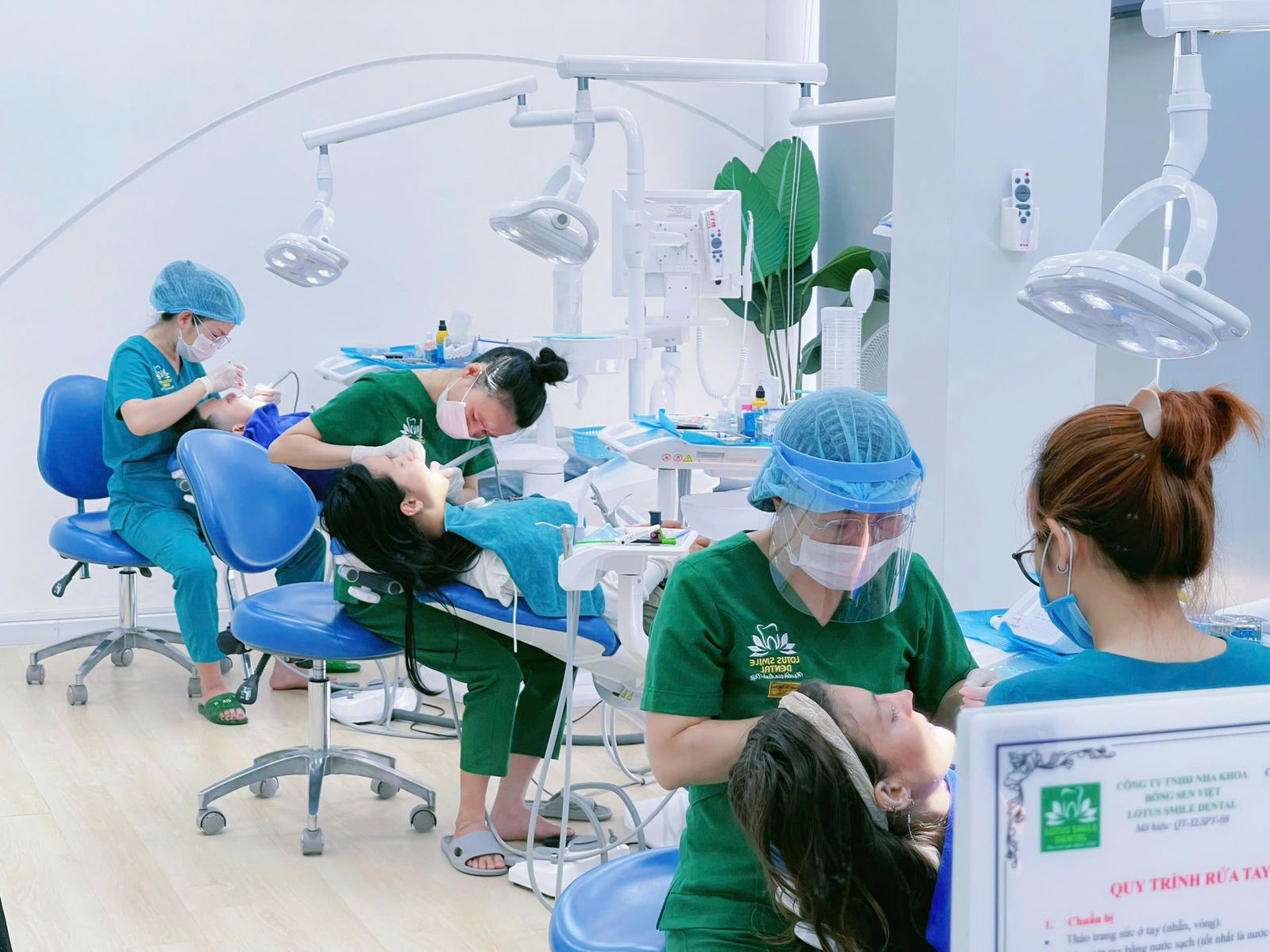
Crown Repair and Crown Replacement Are Not the Same
Not every damaged crown needs to be completely replaced.
The appropriate solution depends on the type and extent of the damage. Minor surface defects may sometimes be repaired or monitored, while a severely fractured, loose or poorly fitting restoration may require a new crown.
The condition of the underlying tooth is equally important. A dentist needs to determine whether the tooth can continue supporting a crown and whether additional treatment is required before restoration.
>>> Free consultation at: Lotus Smile Dental - Nha Khoa Đà Nẵng
The Dental Crown Replacement Process at Lotus Smile
At Lotus Smile International Dental in Da Nang, the process begins with an examination of the existing crown and the natural tooth underneath.
The dental team evaluates the condition of the restoration, tooth structure, gums and bite. When necessary, diagnostic imaging or digital dental technology can assist in assessing the tooth and planning treatment.
If the existing crown needs to be removed, the underlying tooth is carefully examined. Any decay, infection or structural problem should be addressed before a new restoration is placed.
Once the tooth is ready, the dentist selects an appropriate crown design and material according to the tooth's location, functional requirements and aesthetic expectations.

Choosing a Suitable Material for a New Crown
Replacing an old crown also provides an opportunity to reassess the restoration material.
Modern crowns can be made from zirconia, ceramic, porcelain-based materials and other dental materials. Each option has different characteristics in terms of strength, appearance and clinical application.
For front teeth, aesthetics, shade and natural translucency are particularly important. For back teeth, resistance to chewing forces becomes a major consideration.
At Lotus Smile, the dental team can evaluate the individual tooth and discuss suitable restorative options rather than applying the same material to every case.
Maintaining Your Dental Crowns After Replacement
Good oral hygiene remains essential even after receiving a new crown.
Brushing twice a day with fluoride toothpaste and cleaning between the teeth can help control plaque around the restoration. Patients should also avoid using their teeth to bite hard non-food objects.
People who grind or clench their teeth should discuss this habit with their dentist because excessive forces can shorten the lifespan of dental restorations.
Regular dental examinations allow potential problems to be detected before they become more complicated.
>>> Free consultation at: Lotus Smile Dental - Nha Khoa Đà Nẵng
Professional Dental Crown Replacement in Da Nang
Choosing a dental clinic for crown replacement involves more than selecting a convenient location or comparing prices.
The dentist's experience, treatment planning, restoration quality, technology, infection-control standards and communication all contribute to the overall treatment experience.
Lotus Smile International Dental in Da Nang provides restorative and cosmetic dental services for local and international patients. The dental team can communicate in English, making it easier for international patients to understand their diagnosis, treatment options and aftercare recommendations.
Patients with old or damaged crowns can receive an individual assessment to determine whether the existing restoration should be maintained, repaired or replaced.
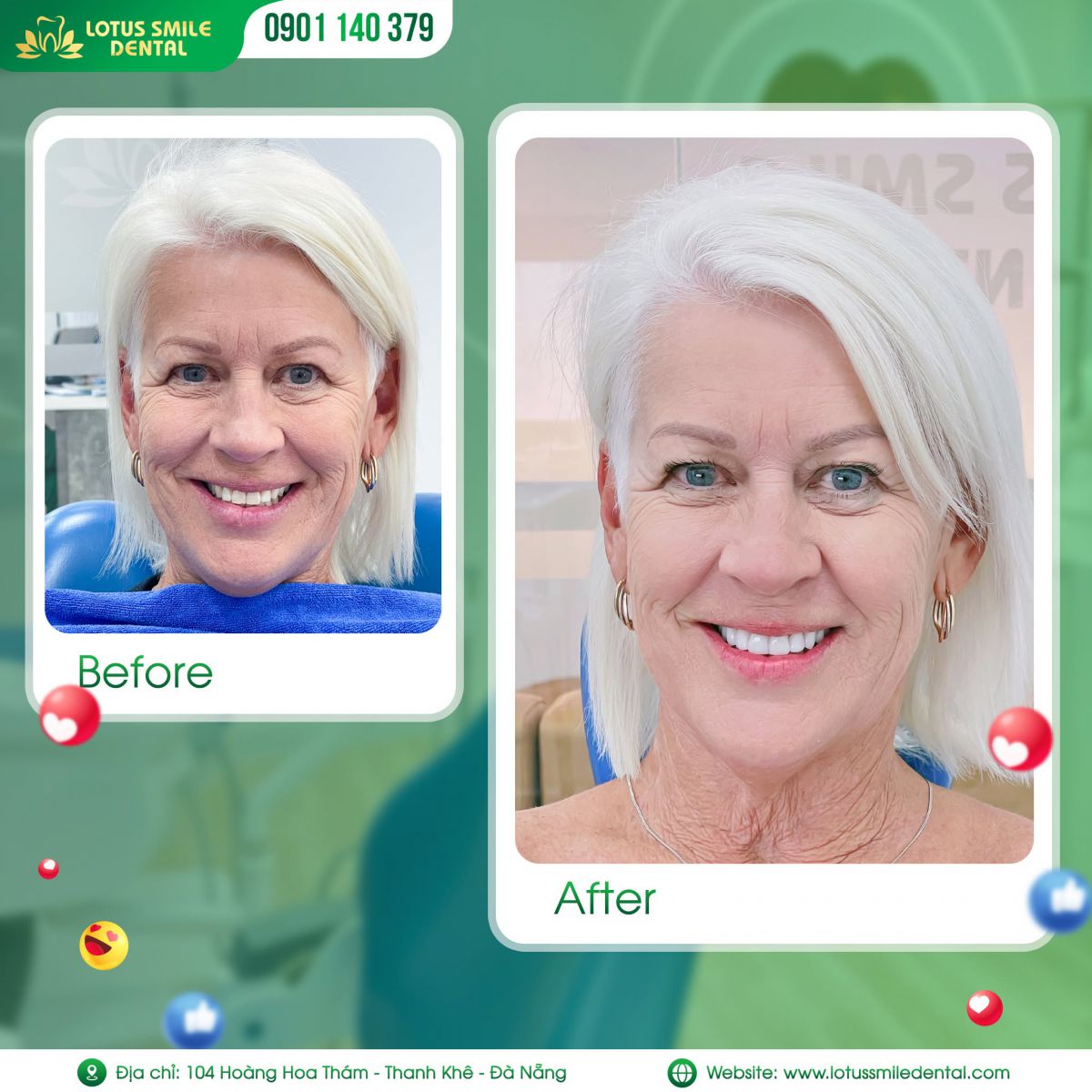
Dental crowns can provide reliable protection and restoration for many years, but they may eventually require repair or replacement.
Cracks, fractures, looseness, persistent discomfort, decay around the crown, gum inflammation, poor fit and significant wear are all reasons to have an existing crown professionally evaluated.
An older crown does not automatically need to be replaced. The most appropriate decision depends on the condition of the restoration, the natural tooth underneath and the health of the surrounding gums.
For patients experiencing problems with an existing crown or seeking dental crown replacement in Da Nang, a professional examination at Lotus Smile International Dental can provide a clear assessment and a treatment plan tailored to the condition of each tooth.
>>>Lotus Smile International Dental System <<<
- Address: 104 Hoang Hoa Tham, Thanh Khe, Da Nang
- Hotline: 0901 140 379
-
Zalo: 0787 506 556
>>> Free consultation at: Lotus Smile Dental - Nha Khoa Đà Nẵng
Tin khác

Where Can Foreigners Find a Good Dentist in Da Nang, Vietnam?
Post date: 14/09/2026

Choosing the Right Dental Clinic in Da Nang for Your Dental Needs
Post date: 14/09/2026

English-Speaking Dentist in Da Nang for British Patients
Post date: 14/09/2026

Dental Crown Replacement in Da Nang for Patients from the UK
Post date: 14/09/2026

Traveling from New Zealand to Da Nang for Dental Work: A Detailed Dental Tourism Guide
Post date: 28/08/2026

Do Dental Crowns Damage Natural Teeth?
Post date: 18/08/2026

What International Clients Say About Lotus Smile Dental in Da Nang, Vietnam
Post date: 14/07/2026

Lotus Smile Dental – A trusted dental destination for Australian clients in Da Nang
Post date: 14/07/2026

Da Nang - A Top Dental Destination for New Zealanders
Post date: 26/05/2026

Da Nang Dental Clinic for New Zealand Patients - Safe, Modern, and Affordable
Post date: 26/05/2026

Save thousands of dollars on dental implants at Lotus Smile Dental Clinic in Da Nang.
Post date: 26/05/2026

Da Nang International Dental Clinic is the Trusted Choice of New Zealand Patients
Post date: 23/05/2026
.jpg?cache=2026-01-26-21:16:22 "LOTUS SMILE DENTAL ĐÓN ĐẦU XU HƯỚNG CHÍNH THỨC SỞ HỮU CÔNG NGHỆ SCAN TRONG MIỆNG iTERO ELEMENT 5D")
.jpg?cache=2026-01-26-21:25:48 "LOTUS SMILE DENTAL ĐÓN ĐẦU XU HƯỚNG CHÍNH THỨC SỞ HỮU CÔNG NGHỆ SCAN TRONG MIỆNG iTERO ELEMENT 5D")


